Canadian Pharmacy Online – Safe Medications at Lower Prices
By Kathleen Hall (Primary Author) and Dr. Samuel Lee, PhD
Reviewed by pharmacist Brigid Farrar, PharmD
Last Updated: April 12, 2026
Table of Contents:
Prescription prices in the U.S. push a lot of people to look elsewhere, and Canada is usually the first place they check. The same medications are often available there at a lower cost, especially for long-term prescriptions that need regular refills.
Ordering through a Canadian pharmacy online isn’t complicated, but it’s not identical to a local drugstore either. There are a few extra steps – prescription checks, shipping time, and basic import rules – and those details matter. After the first order, it usually feels pretty straightforward, and for many people it just becomes a way to keep their medication going without paying U.S. retail prices.
Why Americans Buy Prescription Drugs from Canada
For many patients in the United States, the main reason is cost. Prescription drugs – especially brand-name treatments – often cost significantly more than in Canada, even for the same dosage and manufacturer. Ordering through a Canadian pharmacy online allows patients to access those medications at a lower cash price, which can make long-term treatment more manageable.
Access has also become a practical concern. During periods of drug shortages or supply disruptions, some patients look to Canadian sources to maintain the same medication and avoid interruptions. This is particularly relevant for chronic conditions such as high blood pressure, diabetes, or cholesterol management, where consistency plays a key role.
Convenience adds to the appeal. Mail-order delivery makes it easier to plan refills in advance and reduces the need for frequent drugstore visits. For people managing multiple prescriptions, this approach can simplify routine care and provide a more predictable schedule.
Another factor is the availability of lower-cost alternatives. Canadian pharmacies typically offer both brand-name and generic options, often with a noticeable price difference. Medications such as sildenafil (generic Viagra) or tadalafil (generic Cialis) are commonly ordered for this reason, since they provide the same active ingredients at a lower cost.
What Is a Canadian Pharmacy Online and How It Works for U.S. Customers
A Canadian pharmacy online is a licensed service that allows patients to order prescription and over-the-counter medications from Canada through a website or mail-order system. These pharmacies operate under Canadian regulatory standards and typically require a valid Rx for prescription drugs, similar to local pharmacies in the United States.
For U.S. customers, the process is structured but accessible. Medications are selected online, prescriptions are verified, and orders are shipped to the patient’s address. While pricing and availability often differ from U.S. pharmacies, the goal remains the same – providing consistent access to approved treatments through a regulated supply chain.
How Canadian Online Pharmacies Work
Once an order is placed, the pharmacy begins by reviewing the medication request and verifying the prescription. For Rx drugs, a valid script from a licensed healthcare provider is required and may be confirmed directly with the prescriber. This step ensures that the medication, dosage, and patient details match the intended treatment.
After verification, the order is prepared for dispensing. Depending on the platform’s model, medications may be supplied from licensed Canadian facilities or affiliated international partners that meet the same regulatory standards. The product is selected according to the prescribed strength, quantity, and available manufacturer.
Before shipment, the order is checked, labeled, and packaged. Most pharmacies use tamper-evident packaging and include documentation such as dosage instructions and an invoice. Once dispatched, the package is shipped to the U.S., where it may be subject to routine customs screening before final delivery.
Who Uses Canadian Pharmacies and Why
The typical users are U.S. patients who pay out of pocket or have high deductibles and want more predictable medication costs. This includes retirees, people on fixed incomes, and anyone managing long-term conditions where monthly refills add up. A Canadian pharmacy online is often used as a cash alternative when local prices remain high.
Patients with chronic conditions make up a large share of demand. Ongoing treatments for blood pressure, cholesterol, diabetes, or thyroid disorders require consistent access, and even small price differences become significant over time. Mail-order options help maintain that continuity without frequent trips to a local drugstore.
There is also a group of patients who turn to Canadian providers during supply gaps or backorders in the U.S. In these cases, the goal is not to switch therapy but to keep the same medication and dosage without interruption.
Finally, some buyers are motivated by the availability of lower-cost generics. Medications such as sildenafil (generic Viagra) or tadalafil (generic Cialis) are commonly ordered because they offer the same active ingredients at a lower price, making them a practical option for ongoing use.
How to Order from a Canadian Pharmacy Online (Step-by-Step Guide)
Ordering from a Canadian pharmacy is straightforward and follows a familiar pattern for anyone who has used a mail-order service. In most cases, the process includes selecting the medication, submitting a prescription if required, and completing the order online.
The steps themselves are simple, but details such as prescription verification and delivery timing can vary depending on the provider. The outline below shows what to expect at each stage.
Step-by-Step Ordering Process
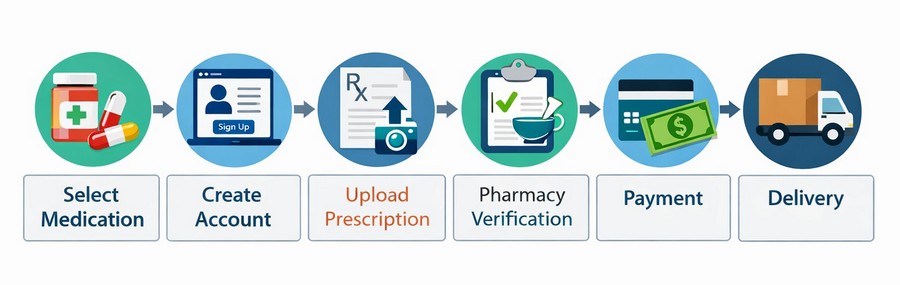
Most orders follow a predictable sequence. While the exact steps can vary slightly between providers, the overall process is consistent and easy to repeat.
- Select the medication: Search for the drug and choose the correct strength, quantity, and form. Product pages usually include pricing and basic details to help compare options.
- Submit a prescription (if required): Upload it online, send it by fax, or have your doctor forward it directly. Rx medications cannot be processed without this step.
- Wait for verification: The pharmacy reviews the prescription to confirm the medication, dosage, and patient details before approval.
- Complete payment: Orders are placed through secure checkout systems, with confirmation provided after the purchase is completed.
- Shipping and delivery: The medication is packaged and shipped to the United States, often with tracking available depending on the shipping method.
For repeat orders, the process is usually faster, especially when the prescription is already on file. This makes it easier to maintain regular treatment without interruptions.
Prescription Requirements and Verification

Most prescription medications ordered from Canada require a valid Rx from a licensed healthcare provider. This applies to common treatments for chronic conditions as well as higher-risk treatments. If a site offers prescription drugs without asking for an Rx, it’s a clear warning sign and should be avoided.
Patients can usually submit a prescription by uploading a copy, sending it by fax, or asking the prescriber to forward it directly. The document must include the patient’s name, medication details, dosage instructions, and the provider’s information. In some cases, the drugstore may contact the prescriber to confirm the details before approving the order.
For U.S. customers, many providers accept prescriptions written by American doctors, as long as the medication is allowed for personal import and meets Canadian dispensing rules. Some pharmacies may also require a brief medical questionnaire to check for potential interactions or confirm that the medication is appropriate.
Verification is a standard part of the process. The pharmacy reviews the prescription to ensure accuracy and compliance before dispensing. Orders that do not meet these requirements are typically delayed or declined, which helps reduce the risk of incorrect or unsafe medication use.
Shipping, Delivery Times, and What to Expect When Ordering from Canada
Shipping is one of the main practical differences when ordering medication from Canada. Unlike a local pharmacy purchase, delivery takes time and can vary depending on the provider, the shipping route, and the type of medication. For that reason, patients usually need to plan refills earlier and allow extra time for processing and transit.
Delivery Times to the U.S.
Delivery to the United States typically takes between 1 and 3 weeks after the order is approved and shipped. The exact timing depends on how quickly the prescription is verified, the shipping method used, and the route involved in international transit. First-time orders may take slightly longer because the provider needs to confirm prescription details before dispatch.
Shipping speed can also vary depending on where the medication is dispensed from. Some orders are filled directly from Canada, while others may come from licensed international partners, which can affect transit time. In addition, all cross-border shipments go through customs screening. Most personal-use orders pass without issues, but occasional delays can happen, especially during high-demand periods.
For patients managing ongoing treatment, planning ahead is important. Ordering refills in advance helps avoid gaps in medication and makes delivery timing more predictable over time.
Tracking, Packaging, and Customs Checks
Once an order is shipped, most providers issue a tracking number so you can follow the package through international transit. Updates are usually visible at dispatch and after arrival in the United States, although tracking may pause during handoffs between postal systems. Sometimes orders get split into separate shipments, depending on where each medication comes from, so tracking can look a bit inconsistent.
Packaging is discreet and built for transport. Medications are sealed and labeled, with basic documentation included – such as dosage instructions and an invoice. Outer packaging typically does not reveal sensitive details about the contents, which helps maintain privacy during delivery. At the same time, proper labeling is important, since it allows the shipment to pass through standard checks without unnecessary questions.
All cross-border shipments go through customs screening. This step is routine but can affect delivery timing. Most personal-use orders move through without issues, especially when quantities are reasonable and documentation is clear. Delays are possible, but they are usually short and resolved without further action.
Is It Legal and Safe to Buy Prescription Drugs from Canada? (U.S. Rules Explained)
The short version – it’s not fully legal on paper, but small personal orders still go through all the time.
U.S. law doesn’t officially allow importing prescription drugs from other countries. At the same time, enforcement isn’t strict for individuals ordering medication for personal use. That’s why people still order from Canada without running into problems, especially when the order looks routine.
What usually matters is how the order looks. A standard medication, a normal quantity, a valid prescription – those tend to pass without much attention. Once you get into larger amounts, controlled substances, or anything that looks off, the risk of delays or rejection goes up quickly.
Most people aren’t trying to do anything unusual. They’re ordering the same medication they already take, just at a lower price. When it stays within that pattern, shipments typically move through without issues.
Safety is a separate question. The real risk isn’t Canada – it’s the website. A legitimate pharmacy follows a normal process: prescription check, clear contact details, proper dispensing. The sites that skip those steps are where problems start.
FDA Personal Importation Rules (90-Day Supply)
U.S. rules don’t fully allow importing prescription drugs from other countries, but in reality, small personal-use orders often go through. The Food and Drug Administration makes a distinction here – enforcement is stricter for commercial shipments, while individual orders are treated differently.
A common reference point is a 90-day supply. Orders within that range tend to move more smoothly, especially when the medication is for ongoing use and clearly labeled. Once quantities start looking larger than that, or inconsistent with normal treatment, the chances of delays go up.
What matters just as much is context. The medication should be for personal use, not a controlled substance, and tied to a valid prescription. Packages that look routine – standard quantities, clear labeling, consistent details – are less likely to draw attention during inspection.
There are no guarantees with cross-border shipping, but most issues come from obvious red flags: oversized orders, restricted drugs, or missing information. When those are avoided, small orders usually pass without much trouble.
What Medications Cannot Be Shipped to the U.S.
Not every medication can be shipped across the border. Some categories are restricted or more likely to be stopped during inspection, especially if they fall outside standard personal-use expectations.
The most common restrictions include:
- Controlled substances: opioid painkillers, stimulants, many anxiety or sleep medications, and anabolic steroids are generally not allowed through international mail, even with a prescription.
- Temperature-sensitive drugs: injectable medications, biologics, and products that require refrigeration are difficult to ship safely and are often excluded from international delivery.
- Unapproved or different formulations: treatments that are not approved in the U.S., or differ significantly in strength or composition, may trigger additional scrutiny.
- Unusual quantities: orders that exceed typical personal-use limits are more likely to be delayed or refused.
- Poorly labeled shipments: missing or unclear documentation can lead to inspection issues or returns.
In practice, standard Rx medications in reasonable quantities are the least likely to cause problems. Orders that stay within typical use and follow normal labeling tend to move through without complications.
Medications Available from Canadian Pharmacies: Prescription, OTC, and Popular Drugs
Canadian pharmacies offer a wide range of medications, including both prescription treatments and over-the-counter products. The overall selection is similar to what patients find in the United States, with options across common conditions and everyday health needs.
Availability depends on the type of medication and whether a prescription is required. Some drugs can be ordered directly, while others go through standard verification before dispensing. The sections below break down how these categories differ and which medications are most commonly ordered.
Prescription vs Over-the-Counter Medications
Medications offered through Canadian pharmacies fall into two main categories: prescription drugs and over-the-counter products. The difference is not just about availability – it’s about how closely the treatment needs to be monitored.
Prescription medications are used for conditions that require medical supervision. This includes treatments for blood pressure, cholesterol, diabetes, infections, and mental health. A valid Rx is required before the order is approved, and the pharmacy checks the details to make sure the medication and dosage match the prescribed plan.
Over-the-counter products are intended for more routine use. These include pain relievers, allergy medications, cold and flu treatments, and basic digestive remedies. They can be ordered without a prescription, although some may still involve basic guidance depending on the strength or category.
In some cases, the classification is not identical to the U.S. A medication that is available without a prescription in one country may be regulated differently in another, or offered in different strengths. That’s why it’s common to double-check the category before ordering.
Common Medications Ordered from Canada
Orders from Canadian pharmacies tend to follow a pattern. Most demand comes from patients managing long-term conditions, where the same medication is taken regularly and cost differences become more noticeable over time.
The most commonly ordered medications include:
- Chronic condition treatments: drugs for blood pressure, cholesterol, diabetes, and thyroid disorders are among the most frequent, since they require ongoing use.
- Mental health medications: antidepressants, anxiety treatments, and related therapies are often reordered on a long-term basis.
- Short-term prescriptions: antibiotics and antiviral drugs are sometimes ordered when tied to a current treatment plan.
- Men’s health medications: sildenafil (generic Viagra) and tadalafil (generic Cialis) are widely purchased due to lower prices compared to U.S. pharmacies.
- High-cost brand medicines: certain brand-name drugs remain expensive in the U.S., which leads patients to look for more affordable options through Canadian providers.
Availability depends on the provider and supply chain, but most established providers maintain consistent stock across these categories, especially for treatments used on a regular basis.
Why Prescription Drugs Are Cheaper in Canada Compared to the U.S.
Price differences between Canada and the United States come from how each system handles drug costs. In Canada, federal oversight limits how high manufacturers can set prices for patented medications, which keeps costs more controlled from the start. In the U.S., pricing is mostly market-driven, so the same drug can end up much more expensive at the retail level, especially for patients without strong insurance coverage.
The way medications move through the system also affects the final price. In the U.S., drugs typically pass through several layers before reaching the patient, including wholesalers and pharmacy benefit managers, each adding to the overall cost. Canada relies on a more direct structure with fewer intermediaries, which helps keep pricing more consistent.
Generic competition adds another difference. After patents expire, lower-cost versions enter the market and are usually priced within tighter limits, making them more accessible for long-term use. At the same time, restrictions on direct-to-consumer advertising in Canada reduce how much marketing expense is built into drug prices, unlike in the U.S., where advertising plays a much larger role.
For someone refilling the same prescription every month, the difference shows up quickly. A medication that costs one amount at a U.S. pharmacy can be noticeably lower when sourced from Canada, even when the drug itself is identical.
Generic vs Brand Name Drugs in Canada: Safety, Effectiveness, and Savings
The choice between generic and brand name drugs is usually about price, not performance. Generics contain the same active ingredient and are approved under the same standards, so for most conditions, they work the same way as the original brand.
The price difference comes from timing. Once a patent expires, other manufacturers can produce the same medication without the development and marketing costs behind it. That’s when lower-cost versions start to appear, and the difference becomes noticeable, especially for prescriptions that are refilled every month.
Patients sometimes notice small changes – different pill shape, color, or packaging – but those differences are not tied to how the medication works. In most cases, switching between versions doesn’t affect the outcome of the treatment.
| Feature | Generic Drugs | Brand Name Drugs |
|---|---|---|
| Active ingredient | Same as brand | Original formulation |
| Effectiveness | Equivalent in most cases | Standard reference |
| Safety standards | Same regulatory approval | Same regulatory approval |
| Price | Lower | Higher |
| Availability | Widely available after patent expiry | Limited to patent period |
Brand-name drugs are still used in certain situations, but for ongoing treatment, generics are often the option people stay with simply because they keep costs under control.
Best Canadian Online Pharmacies (2026): Trusted and Verified Options
A reliable Canadian online pharmacy is easy to recognize once a few basics are in place. The site requires a valid prescription for Rx drugs, lists clear contact details, and processes orders without unnecessary delays. These are the signals most patients look for after the first order.
Consistency matters more than features. Stable pricing, predictable delivery times, and straightforward prescription handling tend to outweigh extras that don’t affect the order itself. Providers that skip these basics or make the process unclear usually don’t hold up over time.
The pharmacies listed below are widely used by U.S. customers, especially for repeat orders and long-term medications. They differ in pricing, shipping speed, and product availability, but each one is generally known for steady service and standard verification practices.
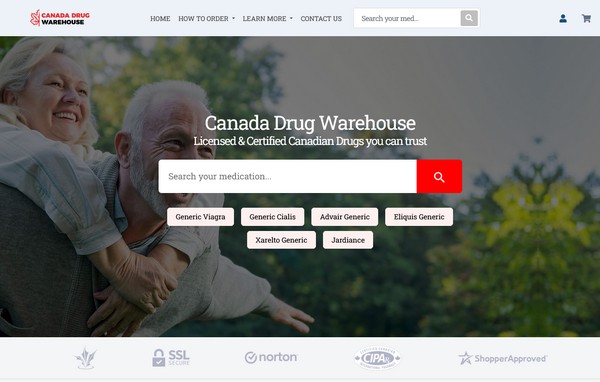
Canada Drug Warehouse
 Canada Drug Warehouse feels more like a middle layer than a single pharmacy. You place the order through the site, but the medication itself is filled by one of their partner pharmacies. That setup isn’t obvious at first, but it explains why the catalog is so large – there’s a lot listed, across both brand and generic options.
Processing usually takes a couple of days after the prescription comes through. Shipping is pretty standard – around 8 to 14 business days to the U.S. in most cases. There’s a flat shipping fee, and orders are typically capped at a 90-day supply, which lines up with what most people expect for personal use.
Canada Pharmacy
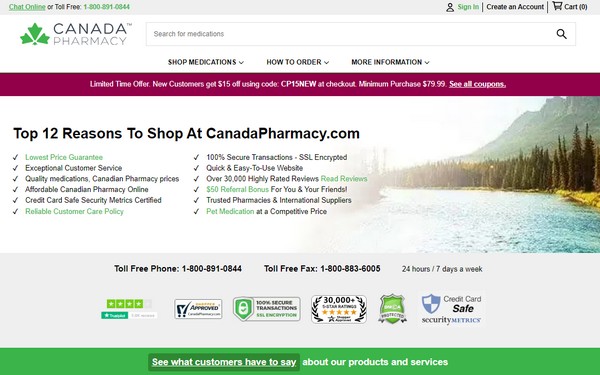
 Canada Pharmacy has been around long enough that most people have at least heard the name somewhere. It’s one of the larger sites, and the catalog reflects that – not just prescriptions, but OTC products and even pet meds, which isn’t always the case elsewhere.
Orders don’t always come from one place. Depending on the medication, it can be filled through Canada or another licensed partner. That’s normal for bigger platforms like this. Processing takes a few days, and delivery usually lands somewhere in the one to three week range. They also offer different shipping plans, which starts to matter if you’re ordering more than once.
RxConnected
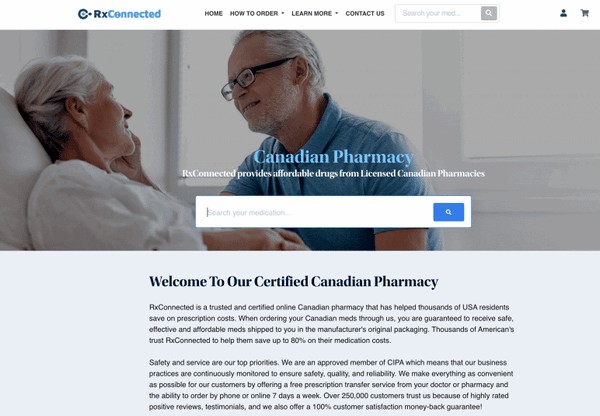
 RxConnected doesn’t try to do too much, which is probably why people stick with it. It works through a network of pharmacies, so depending on what you order, it might ship from Canada or another approved source. That part is handled in the background – you don’t really notice it unless you’re checking closely.
Orders move at a steady pace. Once the prescription is in, it usually takes a couple of days to process, then about one to two weeks for delivery. There’s a flat shipping fee unless you go with one of their prepaid options. They also run seven days a week, which is something people notice after the first order.
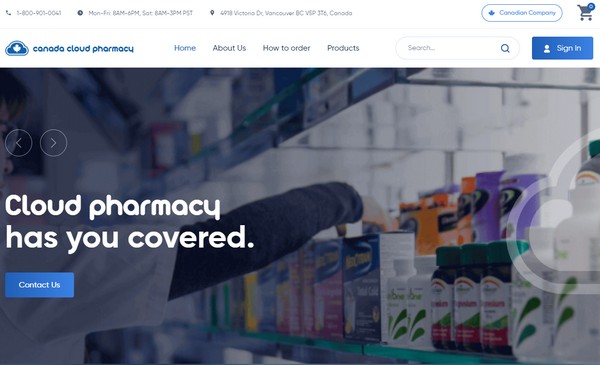
Canada Cloud Pharmacy
 Canada Cloud Pharmacy operates as a licensed brick-and-mortar pharmacy in Vancouver, not just an online storefront. Orders are filled through a physical location, and the business is registered with the College of Pharmacists of British Columbia, which ties it to provincial regulation rather than a purely online model.
The ordering process stays simple, but there are a few practical details worth noting. Prescriptions can be uploaded, emailed, faxed, or sent by mail, and once they’re on file, refills can be arranged without starting from scratch. The provider also offers to source medications that aren’t listed directly on the site, which repeat users usually notice after a couple of orders. Delivery to the United States usually takes a couple of weeks, depending on processing and timing.
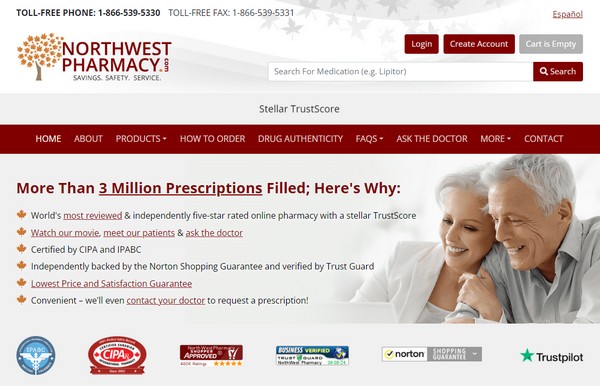
Northwest Pharmacy
 NorthWest Pharmacy has been around since 2002, so it’s not a new name. Over the years, it’s filled millions of prescriptions, and a lot of customers end up sticking with it for repeat orders. It’s often used by people who rely on long-term medications and want pricing that stays consistent over time.
The scale shows up in how the service runs. There are hundreds of thousands of verified customer reviews, and orders are processed through a network of licensed pharmacies rather than a single location. Prescriptions are checked before approval, and the service holds CIPA and IPABC certification, which ties it to standard pharmacy requirements. Delivery to the U.S. usually takes a few weeks, and timing is communicated upfront so patients can plan refills without guessing.
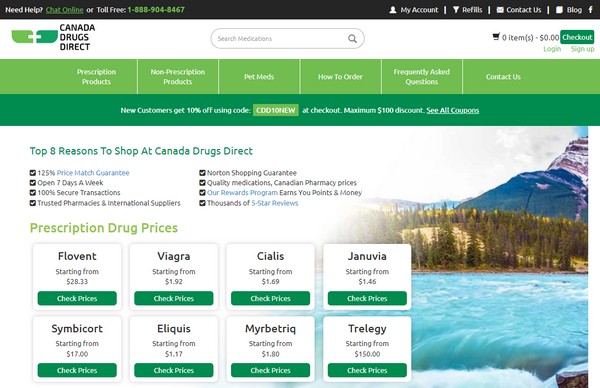
Canada Drugs Direct
 Canada Drugs Direct is usually picked by people who want to see the price first and not think about it again. The site shows costs clearly, and the catalog sticks mostly to medications people reorder regularly, rather than trying to cover everything.
It’s not the fastest service, but it’s consistent. Orders are processed after the prescription is received, then shipped out with delivery usually taking a couple of weeks. They offer flat-rate and subscription-style shipping, which makes more sense if you’re planning to reorder instead of using it once.
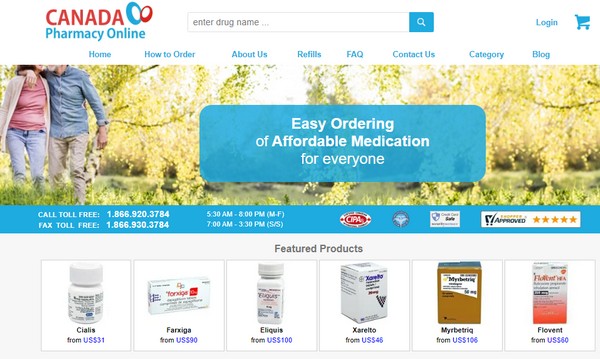
Canada Pharmacy Online
 Canada Pharmacy Online has been around since 2006 and works with a licensed dispensing pharmacy in British Columbia. Prescriptions are filled through Candrug, which is regulated by the provincial college, so orders are tied to an actual licensed pharmacy rather than just a website.
The site is built around long-term medications, and most orders follow the usual pattern – choose the drug, submit the prescription, then wait for processing before shipping. Orders to the U.S. are sent by regular mail with a standard shipping fee (around $10), and delivery timing depends on processing and transit. Customer reviews are a big part of how the service presents itself, with tens of thousands of ratings collected over time, which is something repeat users tend to notice.
Canadian Pharmacy Prices vs U.S.: Real Examples and Potential Savings
Prices are usually the first thing people check, and that’s where the difference shows up right away. It’s not a small discount or occasional deal – for many medications, the cost in Canada ends up noticeably lower even after adding shipping. That becomes more relevant with repeat prescriptions, where the same drug is ordered every few months and the savings keep building over time, especially with brand-name medicines and inhalers.
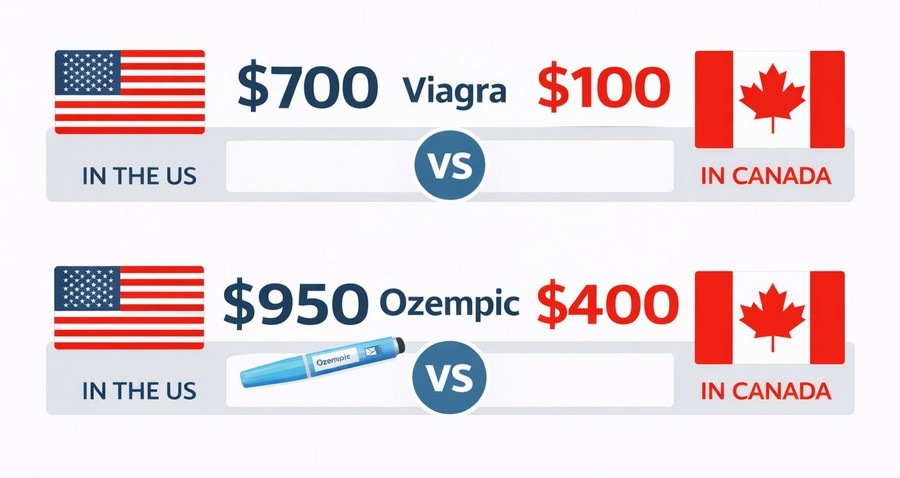
Here are a few real comparisons based on typical retail pricing:
| Medication | Canada Price (avg) | U.S. Price (avg) | Potential Savings |
|---|---|---|---|
| Viagra (100 mg, 12 tabs) | ~$95-$127 | ~$700+ | ~$600+ |
| Cialis (20 mg, 8 tabs) | ~$130-$170 | ~$600+ | ~$400-$450 |
| Symbicort inhaler | ~$75-$86 | ~$330+ | ~$240+ |
| Restasis eye drops | ~$125-$147 | ~$560+ | ~$400+ |
| Ozempic (1 pen) | ~$329-$465 | ~$900-$1,000+ | ~$500+ |
This isn’t a special case or one pharmacy offering a discount. The same pattern shows up across a lot of medications, especially brand-name drugs and inhalers. In many situations, U.S. prices land two to four times higher depending on where you check.
Generics narrow the gap a bit, but not always as much as people expect. Prices in the U.S. still vary a lot between pharmacies, discount cards, and insurance coverage. In Canada, pricing tends to stay closer to a fixed range, so it’s easier to know what you’ll pay before you order.
Another thing that stands out is consistency. Once you’ve ordered once, the next refill usually costs about the same. There aren’t sudden jumps based on location or pharmacy chain. For people managing long-term prescriptions, that stability matters just as much as the initial savings.
Over time, the numbers add up. A $100-$200 difference per order might not look huge at first, but across several refills a year, it becomes noticeable. With higher-cost treatments, the savings are much more obvious even after shipping.
How to Choose a Safe Canadian Pharmacy and Avoid Fake Websites
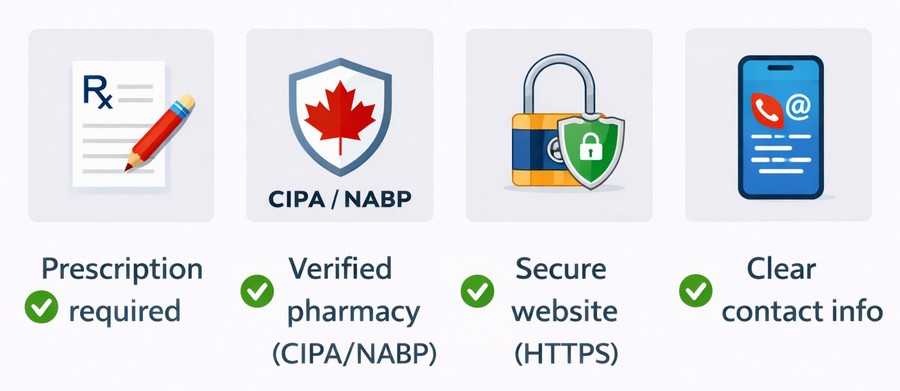
When you look at different Canadian online pharmacy sites, they don’t all feel the same. Some explain how orders are handled, where medications come from, and what to expect with delivery. Others stay vague or skip those details altogether. That’s usually where the difference shows. Pharmacies that ship to the U.S. follow a fairly standard process, and once you know what that looks like, it’s easier to spot the ones that don’t.
Before placing an order, a few quick checks can save a lot of trouble:
- Real contact details. A legitimate pharmacy lists a physical address, phone number, and business hours. You should be able to call and reach a real person. If it’s only a form or generic email, that’s a bad sign.
- Prescription requirement. Rx drugs should never be sold without a valid prescription. If a site skips this step, it’s one of the clearest warning signals.
- Identifiable dispensing pharmacy. Reliable sites usually mention where the medication is filled (Canada or licensed partners). If there’s no information about the dispensing source, it’s worth questioning.
- Clear product details. You should see strength, dosage, quantity, and manufacturer. If listings look vague or incomplete, it’s hard to know what you’ll actually receive.
- Pricing that stays within range. Lower prices are normal. Extremely low prices compared to other pharmacies usually aren’t.
- Verified pharmacy status. Some pharmacies are listed by groups like the Canadian International Pharmacy Association or follow guidance from the National Association of Pharmacy Regulatory Authorities. It’s a quick check that takes a minute.
- Normal ordering process. Expect a few steps – prescription review, processing time, then shipping. If a site promises instant approval or overnight international delivery for everything, that’s not typical.
After the first successful order, most people stop comparing. Once a pharmacy delivers the right medication, on time, with no issues, they tend to stick with it.
Frequently Asked Questions
What is the best Canadian pharmacy online that ships to the U.S.?
There isn’t one single best option, but a few providers are consistently used by U.S. customers, including Canada Pharmacy, NorthWest Pharmacy, Canada Drugs Direct, and RxConnected. The main differences come down to pricing, delivery time, and how smoothly prescriptions are handled. Most people stick with the one that delivers consistently and keeps the process simple.
Can U.S. residents legally order prescription drugs from Canada?
U.S. residents can order prescription drugs from Canada, but the rules are not fully straightforward. Federal law restricts importation, yet small personal-use orders are often allowed in practice, especially when limited to about a 90-day supply and not involving controlled substances. A valid prescription is required, and while approval isn’t guaranteed, most routine orders that follow these conditions go through without issues.
How do Canadian pharmacies verify U.S. prescriptions?
Canadian pharmacies verify U.S. prescriptions by checking the details provided and, in many cases, contacting the prescribing doctor directly. The prescription must include the patient’s name, medication, dosage, and prescriber information. Some pharmacies also require a short medical form to confirm the treatment is appropriate. Orders are only approved after this review, which helps ensure the medication matches the intended use.
Are medications from Canada the same as those in the U.S.?
In most cases, yes. Medications from Canada use the same active ingredients, strengths, and standards as those sold in the U.S. Generic drugs are considered equivalent, and many brand-name products come from the same manufacturers. You may notice differences in packaging, pill appearance, or brand names, but the medication itself works the same way for its intended use.
What medications cannot be shipped to the United States?
Controlled substances usually cannot be shipped to the U.S., including opioid painkillers, stimulants, and many anxiety or sleep medications. Injectable and temperature-sensitive drugs are also commonly excluded. Orders with unapproved products or unusually large quantities may be stopped at the border.
How long does delivery from Canada usually take?
Delivery to the U.S. usually takes about 1 to 3 weeks after the order is processed and shipped. Timing depends on how quickly the prescription is verified, the shipping method, and customs clearance. First orders can take a bit longer, while refills are often faster once everything is on file.
Is it safe to order from a Canadian online pharmacy?
It can be safe if you use a legitimate provider. Trusted Canadian online pharmacies require a valid prescription, verify orders, and provide clear contact details. The main risks come from sites that skip Rx checks, hide their location, or offer unusually low prices. When those red flags are avoided, ordering medication for personal use is generally low risk.
Can I order a 90-day supply of medication from Canada?
Yes, in most cases a 90-day supply is the typical limit for personal-use orders. U.S. guidelines often treat this amount as acceptable when the medication is for your own use and not a controlled substance, although approval at the border is not guaranteed.
Why are prescription drugs cheaper in Canada?
Drug prices in Canada are lower because they are regulated, especially for brand-name medications, which limits how high they can be set. There are also fewer markups in the supply chain and less spending on advertising, which keeps overall costs down compared to the U.S.
How do I choose a reliable Canadian pharmacy online?
Look for a pharmacy that clearly shows its contact details, requires a valid prescription, and explains how orders are processed and shipped. Reliable sites also list medication details (strength, manufacturer, quantity) and follow a consistent ordering process. If anything feels unclear – pricing, sourcing, or delivery – it’s usually better to skip and choose a provider that’s more transparent.
Contact Customer Support
Our support team is available if you need help with an order, have questions about pricing, or want to check medication details. You can reach out using the contact information below – we’ll get back to you as soon as possible.
Address:
Ewing Township, NJ 08638
Phone:
(609) 395-7544
Fax:
(609) 989-1234
We keep the process straightforward and consistent, so you know what to expect each time. If something needs clarification, just get in touch and we’ll take a look.
Disclaimer: This information is provided for general reference and should not replace advice from your healthcare provider. Always check with a licensed professional before starting, stopping, or changing any medication or treatment.
About the Primary Author

Kathleen Hall, MA, LPC, is a licensed professional counselor with a background in counseling psychology. She studied at Adams State University and has worked closely with families through her role at Greater Trenton Behavioral HealthCare, helping people through difficult and often unstable situations. Her experience also includes time in the military and work connected to U.S. Customs, which adds a more practical, grounded perspective. Now based in Northern Idaho, she works with clients on everyday mental health concerns, family relationships, and long-term care.
References
- Health Canada – Drugs and Health Products
- Patented Medicine Prices Review Board (PMPRB)
- FDA – Personal Importation Policy
- RAND – International Prescription Drug Price Comparisons
- OECD – Pharmaceutical Policies and Data
- WHO – Substandard and Falsified Medical Products
- CIHI – Health Spending in Canada
- NABP – Safe Pharmacy Verification
- U.S. Customs and Border Protection
- FDA – Human Drug Imports
- Health Canada – Buying Drugs Online
- NLM – Drug Information Portal
- FDA – Orange Book (Approved Drug Products)
- European Medicines Agency – Medicines Database
- CDC – Medication Safety